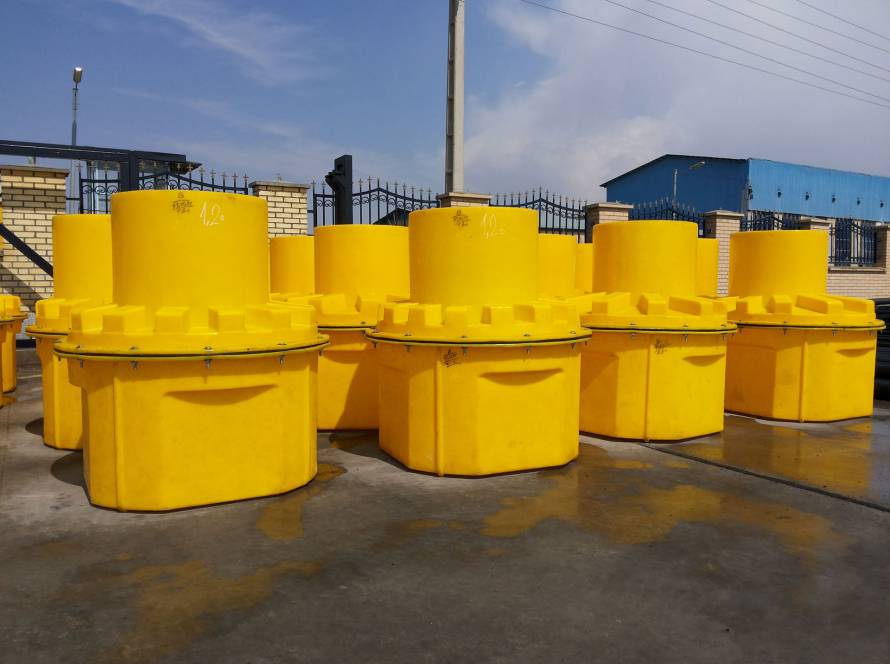
Dredging refers to extracting or displacing soil or rock at the bottom of seas, rivers, ports, etc. Dredging activities are usually carried out in two ways: capital dredging, which is done for the first time, and maintenance dredging, which is done periodically and regularly. Dredging has some goals, which include deepening rivers, lakes, or port basins, filling cavities underwater or on land, and replacing low-quality materials with high-quality and suitable materials underwater. For example, in building and construction for foundations and restoration with suitable materials, and most importantly, expansion of the environment. Clean materials are extracted and placed on top of contaminated materials as a covering layer to contain pollutants.
Some habitats are more suitable and favorable for extraction and placement than others, such as intertidal zones along the coast that are constantly exposed to tides. In many parts of the world, the sand, gravel, and silt obtained from dredging are used in developing and restoring areas for constructing artificial coastal islands or breakwaters. These materials can be extracted by anchoring dredgers or trailing suction dredgers.
Anchor dredger and trailing suction dredger
In the anchor dredger method, the dredger drops an anchor at a suitable point. It digs channels up to 20 meters deep and 75 meters wide using pipes. Sand, gravel, and silt are sucked into the dredger using suction power. However, in the second type, the trailing suction dredger, excess sand, gravel, and silt are returned to the sea bed. In summary, what is critical is to minimize harmful environmental effects and achieve maximum efficiency and productivity in dredging operations; paying attention to environmental parameters is very effective. Dredging operations, widespread in the area and have different environmental impacts such as physical, chemical, and physiological characteristics, should be investigated.

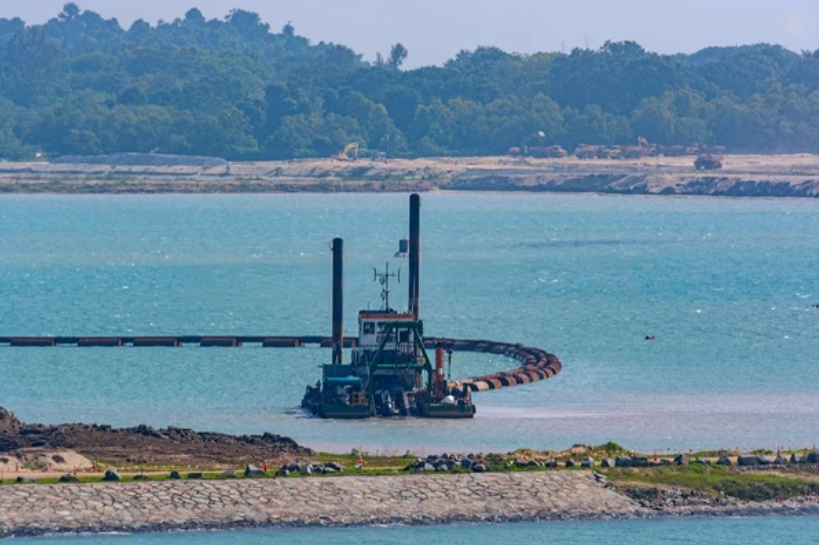
Benefits of dredging
significant benefits of dredging is the increase in the nutrient content of the water during the splashing of water on the sea surface.
This leads to an increase in phytoplankton and algae growth. The second case is that during dredging operations in ports, especially fishing ports, anchorages and channels, it increases the concentration of heavy metals, especially in anchorages for oil transport. Heavy metals, including cadmium and nickel, come from oil product discharges absorbed by fine-grained sediments and suspended in the water during dredging operations. Over time, these materials will be diluted by water, and their concentration will be reduced. The nature of these materials varies greatly depending on the dredging location.