


The Polyethylene Manhole is one of the most efficient vertical structures used to inspect the condition of sewage lines, cover electrical and telecommunication cables, water transmission, valve chambers, etc.
Polyethylene manholes (Inspection Chamber) are widely used for easier access to polyethylene pipelines and underground sewage systems. These manholes are made from the best raw materials and polyethylene granules. In the following, we intend to familiarize you with the benefits and advantages of the innovative technology of Polyethylene Manholes produced by PEKPIPE.
What is a Polyethylene Manhole?
A manhole is a structure placed vertically under the ground along the path of polyethylene sewage pipes, polyethylene cable covering, etc. The material used in the production of polyethylene manholes is polyethylene granules of high quality obtained from reputable petrochemical companies such as Tabriz Petrochemical. Polyethylene manholes can be considered a crucial element in sewage lines, water transmission networks, or cable covering. The reason for using polyethylene manholes instead of traditional and old manholes lies in their high functionality and durability over the years. These devices are widely used in urban and industrial projects worldwide.
Structure and Features of Polyethylene Manhole:
Each method used to produce polyethylene manholes has its unique characteristics. The features of polyethylene manholes produced by the Rotational Molding method include:
- Bolts, nuts, and manhole connections have a coating made of galvanized hot-dip material.
- Mechanical connections and water seals are used due to resistance to natural ground changes and ease of installation.
- It includes water sealing washers, and the body connections or couplers (pipe-to-manhole fittings) are of anti-corrosion type (EPDM).
- New and pure raw materials with high density (HDPE) are used without any additives or recycled materials for production to comply with global standards.
- The thickness of the polyethylene manhole body produced by the Rotational Molding method is determined based on the desired height requested by customers.
Polyethylene Manhole Producing Standards:
Polyethylene manholes are designed and produced from polyethylene materials (HDPE 3840 granules) based on petroleum and in accordance with ASTM 1759, ATV A127 standards, and Arabian National Standard 14148.Additionaly, manholes are produced with other primary materials, such as concrete or brick, which have been among the more well-known materials. Manholes made of these materials are referred to as manholes of building materials. Manholes of building materials are produced using outdated and non-standard technologies and are no longer approved. Therefore, manufacturers of building and sewage equipment have decided to replace manholes made of building materials with polyethylene manholes using their highly technical knowledge.
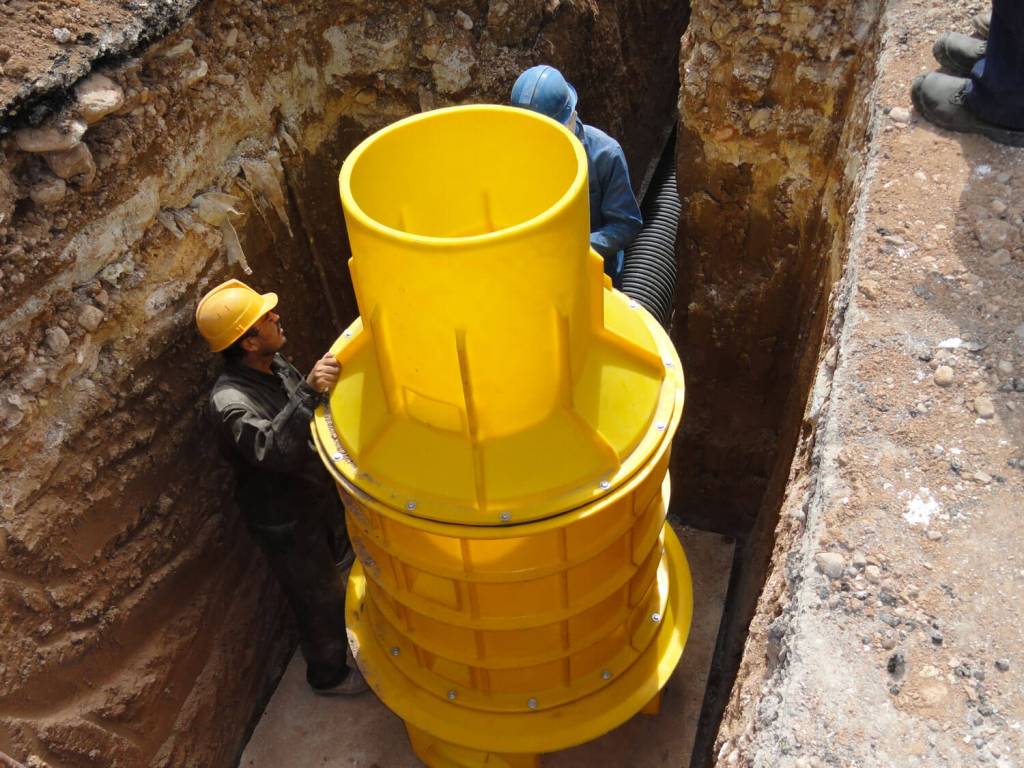
What are the polyethylene manholes applications?
Manholes made of polyethylene have various applications due to their plastic structure, offering a longer lifespan compared to manholes made of traditional building materials. It’s essential to note that the useful life depends on the working conditions in which the manholes are used. The polished surface of polyethylene manholes makes maintenance and cleaning much easier. Here are some notable applications and advantages of polyethylene manholes:
- Applications in Sewage and Power Cable Transmission Lines:
Polyethylene manholes are used in sewage networks to provide better access, service, and maintenance of pipelines. They also serve as inspection stations in power cable lines for inspecting cable health and conducting repairs. Polyethylene manholes, being water-resistant and resistant to intrusive animals and plant growth, have a lifespan of up to 50 years.
- Review of Manhole Applications in Terms of Structural Design:
Polyethylene manholes have a predefined and precise structure that is formed in the molding process in the factory. The molds for polyethylene manholes are designed based on advanced engineering technologies, following the model of German polyethylene manholes. This design and manufacturing process were able to replace old manholes in a very short period.
Comparison of Polyethylene Manhole Advantages with Traditional Building Material Manholes:
The advantages of polyethylene manholes extend beyond their material and long lifespan, encompassing a wide range of benefits. Here’s a brief overview:
1- Cost-Effectiveness and Faster Execution:
Polyethylene manholes, due to their integrated structure and the use of polyethylene materials, can compete significantly in price with manholes made of traditional building materials. The execution and launch costs are lower and more economical.
2- Production Using Rotational Molding:
The production of polyethylene manholes is possible in two ways: handmade and rotary molding. In the handmade method, we use double-walled polyethylene pipes to make manholes, which is a production method outside global standards. However, in the rotary molding method, high-quality and durable manholes are produced using rotating molds.
3- Resistance to Acidic and Chemical Corrosion:
To produce these polyethylene products, we use high-density polyethylene (HDPE) raw materials and granules with sufficient resistance to acidic and alkaline substances.
4- Easy Maintenance and Repairs:
Polyethylene manholes include steps made of polyethylene inside the manhole body. These steps provide easy access to the depth of the manhole, allowing easy cleaning of the inside and the polyethylene pipes connected to them with washing equipment.
5- Lighter Weight and Easy Transport of Polyethylene Manholes:
Polyethylene manholes are lighter due to the raw materials being petroleum-based and plastic. A lighter manhole is easier to transport without the need for special equipment.
6- Flexibility and Earthquake and Flood Resistance:
Polyethylene manholes are resistant to earthquakes and do not crack or break due to natural ground changes. They are considered the best choice for water and sewage transmission stations in UAE.
“The polyethylene manhole produced by the rotary molding method is a unique piece used for inspecting water transmission lines, sewage transmission, and even covering electrical cables. These manholes exhibit high resistance to earthquakes, floods, and natural ground changes.”
The production of polyethylene manholes can be achieved using two different methods, each with its unique characteristics and features. Let’s explore each of these methods separately:
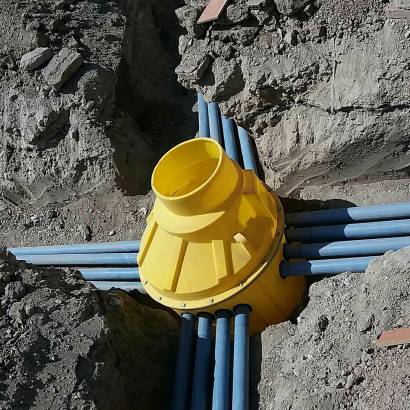
Handmade Method for Producing Polyethylene Manholes:
In this method, the end of double-walled polyethylene pipes (Corrugated -Spiral) is manually welded to a polyethylene cover and buried vertically underground. The double-walled polyethylene pipes used in this method are designed for horizontal burial, and if buried vertically, they will deteriorate over time.
Rotary Molding Method for Producing Polyethylene Manholes:
The rotary molding method uses rotating molds into which raw materials in the form of granules 3840 are poured and melted at temperatures between 180 to 220 degrees. The rotation duration of the polyethylene manhole mold in the rotary molding method is determined by production experts. This method conforms to national and international standards and is globally approved.
For the best polyethylene manhole purchase, contact our experts.
Advantages of Rotational Molding Polyethylene Manholes:
- Due to its materials cloudy and airy surface, the rotational molding polyethylene manhole allows for easier internal inspection.
- Rotational molding production is more cost-effective compared to other methods.
- The quality of parts produced through this method remains consistent throughout
- These manholes meet both national and international significant standards.
- They are produced in accordance with global production guidelines.
Application of Polyethylene Manholes in Sewage Lines
Polyethylene manholes represent the most standardized and efficient technology in the polyethylene industry, finding applications across various sectors. The uses of polyethylene manholes include:
- Transporting and relocating water and sewage for both residential and industrial purposes.
- Covering network and telephone cables.
- Serving as chambers for valve installations.
- Providing protection for electrical cables.
The quality of the raw materials used in manhole production directly influences the quality of the resulting products. The Furthermore, products that meet global standards not only exhibit superior quality but also facilitate easier implementation and commissioning. PEKPIPE is actively engaged in redesigning and manufacturing products in accordance with global guidelines, tailored to the climatic conditions of UAE.
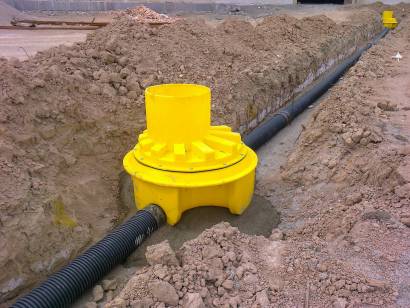
The Impact of Polyethylene Manhole Color on Quality:
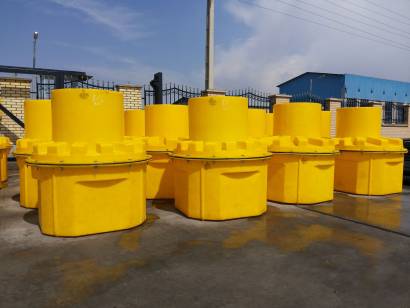
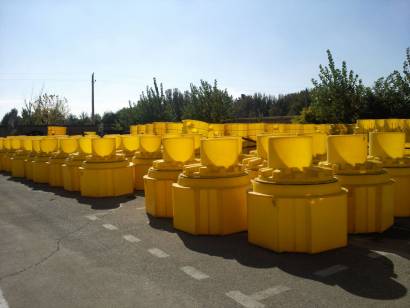
As for the color of polyethylene manholes, it plays a crucial role in assessing product quality. Most manholes have a cloudy and airy surface and are typically yellow. If the color of the manholes is dark (black), there is a possibility of adding recycled and inferior materials during production, leading to a decline in the quality and efficiency of the manholes. Some of the disadvantages of low-quality manholes include:
- Reduced lifespan
- Decreased resistance to pressure
- Diminished seismic resistance
- Lower resistance to acidic and alkaline substances
Seamless Polyethylene Manhole:
Economical and cost-effective manholes produced up to a height of 3 meters are seamless polyethylene manholes. The characteristics of seamless manholes include:
- Easier transportation
- Devoid of separate parts and connections
- Produced according to the needs and requests of customers
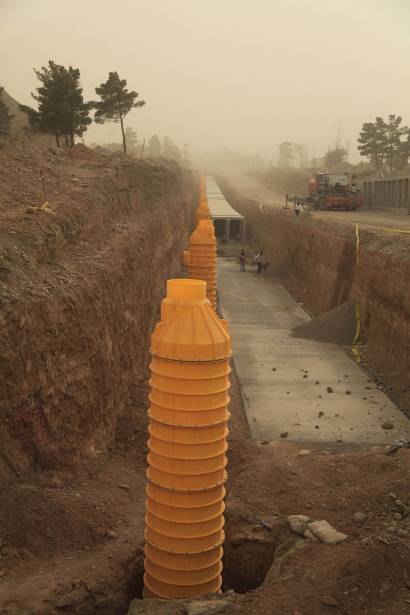
Implementation and installation method of polyethylene manhole:
Various policies and methods are available for installing and placing polyethylene manholes, and each client uses the guidelines defined in the project according to the specific project they have. The installation method of polyethylene manholes is not the expertise of PEKPIPE Company, and its sole responsibility is to produce these products. Nevertheless, we can provide a brief explanation of how to place the manhole underground:
- First, the ground is excavated to the height of the manhole.
- Concrete is poured under the bottom of the manhole.
- The polyethylene manhole is placed in its place.
- Large stones and clods from the excavated soil are collected and poured around the manhole in the form of concrete, all around.
- Finally, to eliminate pressure on the throat of the manhole, a bent slab is placed, and the cover is placed on the slab.
Since the installation of polyethylene manholes is not within the expertise of PEKPIPE Company, for familiarity with the installation method of manholes, you can use the catalog provided in the link below.
The Factors which affect the final price of polyethylene manholes:
In addition to the fixed and determining factors of the price of polyethylene manholes, there are other variable factors that cause changes in the price of polyethylene manholes. Factors that do not affect the price of polyethylene manholes and consistently affect the final price of these equipment include:
- Manhole height
- Number of steps
- Throat diameter
However, the following cases affect changes in the price and raw materials as well as the final cost of manhole production:
- Fluctuations in currency and the dollar
- Changes in raw material prices
- Transportation and installation costs of the manhole
- Quality of granules produced from petrochemicals
- Wages of the polyethylene manhole manufacturing company
Frequently Asked Questions about Polyethylene Manhole:
What is the height of polyethylene manholes produced by PEKPIPE Company?
The dimensions of the polyethylene manhole produced by PEKPIPE Company (manufacturer of polyethylene manhole and fabric polyethylene manhole) are up to 9 meters in height. Fabric polyethylene manhole, made of polyethylene, is produced for polyethylene sewage with a diameter of 1000 and 1200 and a height of 1 – 1.5 – 2 – 2.5 – 3 – 3.5 – 4 – 4.5 – 5 – 5.5 (meters) and custom dimensions. These manholes have steps for easier access and dredging.
Does the polyethylene manhole break?
While in concrete and brick manholes, any movement or vibration in the soil can create a break in the body or at the joints, in polyethylene manholes, due to the use of plastic, exhibits compatibility with soil and flexibility, making these features distinctive in this category of manholes.
The categories of Polyethylene manholes:
Polyethylene manholes are categorized based on their diameter into two groups: small diameter and large diameter.
The reason for using small-diameter manholes in secondary lines is:
- Small pipe diameter.
- Low flow discharge.
- The possibility of having a large number of incoming pipes.
Manholes have different resistances against sewage effluents:
Concrete and brick manholes are vulnerable to the effects of sewage and effluents and may suffer significant damage after a short period. However, polyethylene manholes exhibit high resistance to salts, acids, and other substances present in sewage and effluents.


