


HDPE pipe
Polyethylene pipe has been produced in the world since the mid 1950s. Since then, Polyethylene use and the number of applications for polyethylene pipe has grown enormously, due to its versatility and the advantages it offers over iron, steel and cement systems.
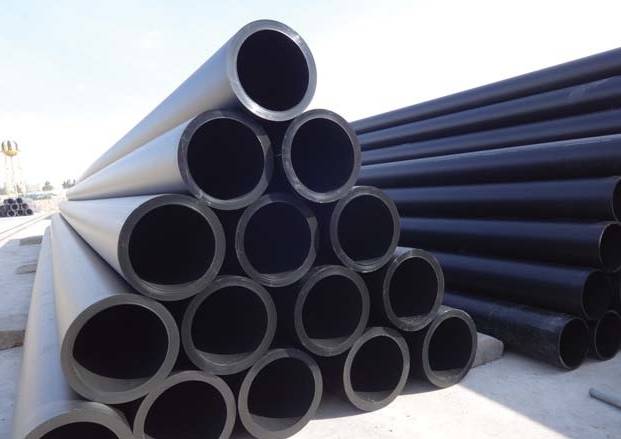
Why Polyethylene Pipe?
Properties and specifications of plastics – particularly polyethylene – has increased trends of their usage in industry only in short time after their production. The flexibility of polyethylene pipe allows cost savings in installation. Trenchless technology can avoid the need for open trenches and reduce the disturbance to the public and environment by pulling long lengths of polyethylene pipes through holes below ground bored by mechanical moles .
Features of Polyethylene Pipe
Polyethylene pipe can be supplied in straight lengths or in coils, reducing the need for joints and fittings. Polyethylene pipes can be jointed using butt and electrofusion techniques or using mechanical fittings. Polytheylene products including polyethylene pipe, PE Fittings and PE Manholes .
In the past 50 years we have had significant progresses in production of PE pipes and PE Fittings and PE Manhole which are now an appropriate alternative for metal, PVC, GRP and cast iron pipes. Project managers have approved them as a perfect alternative because of their strength, durability and easy installation.
Today many projects of fire systems, high pressure water transmissions systems, urban.industrial sewage systems and also natural gas transmission in chemical and industrial environments or telecommunications and cable coverings are handled by plumbing systems of PEKPIPE DMCC.
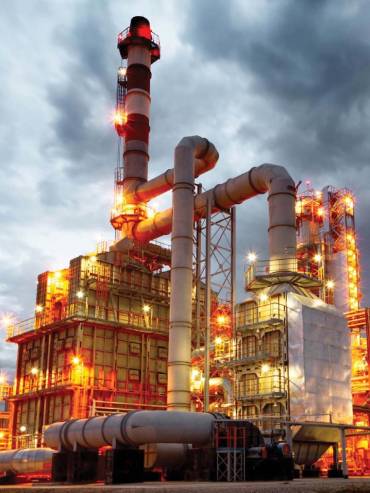
HDPE Pipe Applications:
— Urban and rural water supply networks
— Urban and rural sewage networks
— Drainage networks
— Fluid systems and industrial sewage
— Pressurized irrigation systems (Drip and sprinkler irrigation system)
— Moving irrigation systems
— Telecommunication cable coverings / optical fiber coverings
— Power cable covering
— Metal pipe covering
— Ventilation channels
Wallthickness and mass table
